
Fiberglass Insulation in Brewton, AL
Not every project calls for foam. When a wall is open, the framing is square, and the job is to slow heat moving through a cavity, fiberglass does that well at a sensible cost. Flores Foam Insulation installs fiberglass insulation in Brewton for walls, floors, ceilings, and attics, and the difference between an install that performs and one that doesn't comes down to how carefully it is fitted.
What Fiberglass Does
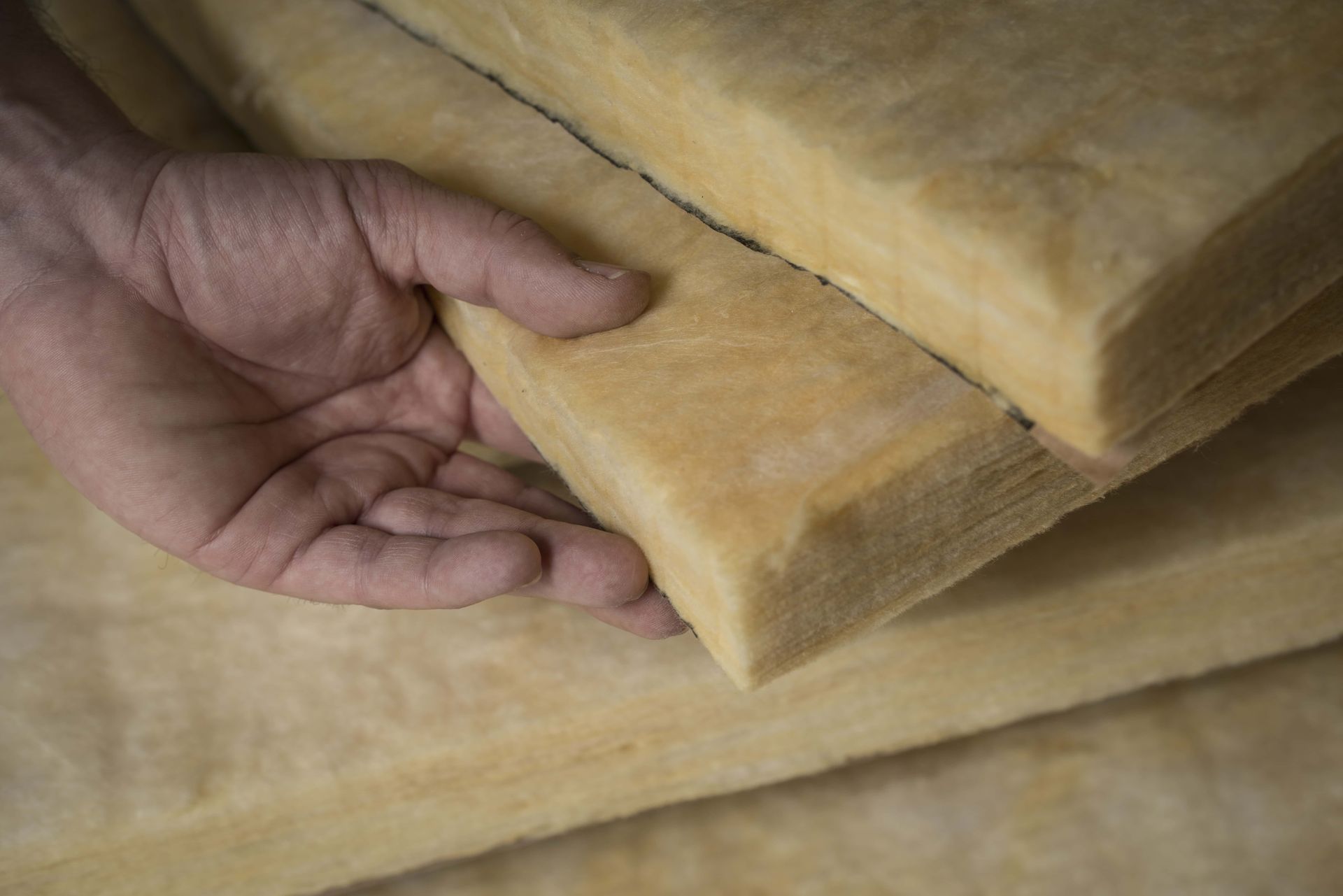
Fiberglass is spun glass formed into a loose mat full of trapped air. Those tiny pockets of still air are what resist heat flow. The glass itself is just the structure that holds the air in place.
That also explains its main limit. Fiberglass slows heat but does not stop air from moving through it. Wind pushing through a gap behind a batt carries heat right along with it. For that reason, a solid fiberglass job pays attention to what is around the insulation, not just the insulation itself.
Why Fit Matters More Than Thickness
A batt that is a little short, a little narrow, or jammed in around a wire loses a surprising amount of its rated performance. Gaps along the edges let air loop around the material. Compressed sections hold less trapped air and insulate less. A cavity with a four-inch void in the corner behaves very differently from one that is filled edge to edge.
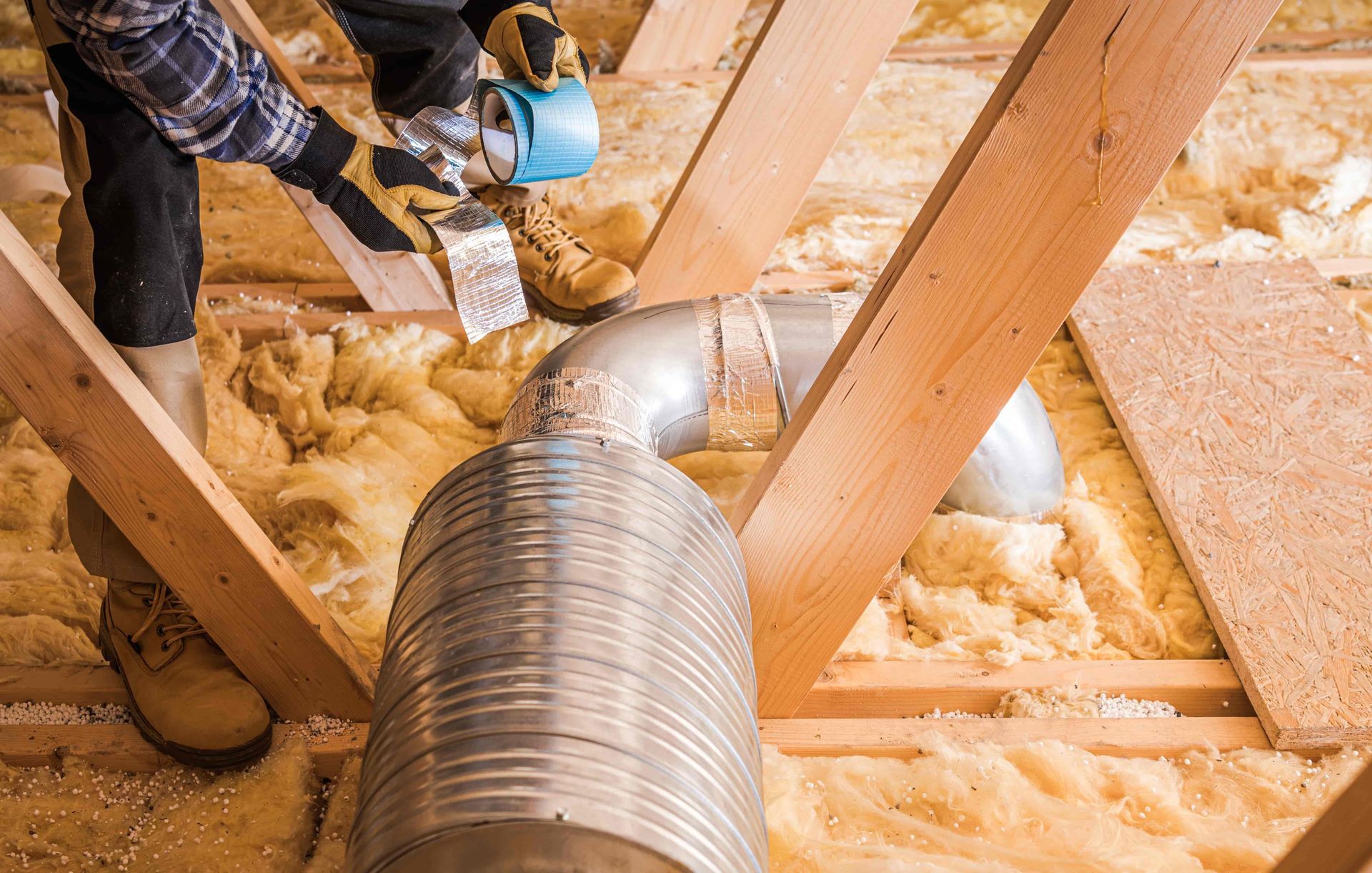
Good installation means cutting each piece to the cavity rather than forcing it, splitting batts around wiring instead of stuffing them behind it, and notching around outlet boxes and pipes. It is slower than tossing material into the bays, and it is the part of the job that determines whether the insulation does what the label says.
Where It Fits Best
New construction and additions are an easy match, since the stud bays are open and accessible. Floors over unconditioned space, interior walls where sound control is wanted, and ceilings below an attic are also common places for it.
Attics are where many Brewton homes have the most room to improve, and the
attic insulation options for Brewton homes go into that in more depth.
If there is already fiberglass in place that has been soaked by a roof leak, flattened by foot traffic, or contaminated by animals, adding more on top of it rarely helps. That material comes out first, which is covered on the
fiberglass insulation removal page.
Serving the Brewton Area
Along with Brewton itself, Flores Foam Insulation
takes on spray foam work in Riverview, Castleberry, and Century, FL. Homes, shops, and farm buildings across the area all face the same long, humid summers, and foam is one of the most direct ways to keep that air where it belongs.
Fiberglass Insulation Questions
What R-value do standard walls take?
A wall framed with 2x4 studs typically takes R-13 or R-15 fiberglass batts. A 2x6 wall has a deeper cavity and typically takes R-19 or R-21. The stud depth sets the practical limit, because squeezing a thicker batt into a shallow cavity compresses it and lowers its performance.
What happens if fiberglass gets wet?
Wet fiberglass loses much of its insulating ability while it is damp, and soaked batts can sag and pull away from the framing. The leak has to be fixed first. Material that dries out clean may be reusable, but anything that stayed wet long enough to develop mold or odor gets replaced.
Does fiberglass seal air leaks?
No. It slows heat moving through the cavity but lets air pass through. Gaps around top plates, pipe holes, and wire penetrations are sealed with caulk or foam before the fiberglass goes in, so air does not bypass the insulation.
Is fiberglass flammable?
The glass fibers themselves do not burn. The paper or foil facing on faced batts can, which is why faced fiberglass is not left exposed in some locations. Unfaced fiberglass is often used where exposure is a concern.