
Fiberglass Insulation Removal in Brewton, AL
Insulation that has been in an attic for twenty or thirty years rarely looks the way it did on install day. Roof leaks leave it stained and matted. Foot traffic and stored boxes press it flat. Mice and rats tunnel through it and leave droppings behind. At some point the material stops insulating and starts causing problems of its own. Flores Foam Insulation handles fiberglass insulation removal in Brewton so the space can start over clean.
Signs the Old Insulation Has to Go
Some warnings are obvious from the attic hatch: dark water stains, a musty smell, or batts that have slumped away from the framing. Others take a closer look. Trails and shallow tunnels through loose fill, shredded paper facing, and droppings scattered across the surface all point to animals living in the material.
Inside the house, the clues are less direct. Upstairs rooms that run hotter every summer, a cooling bill that keeps creeping up, or an odor that seems to come from the ceiling can all trace back to insulation that has broken down overhead.
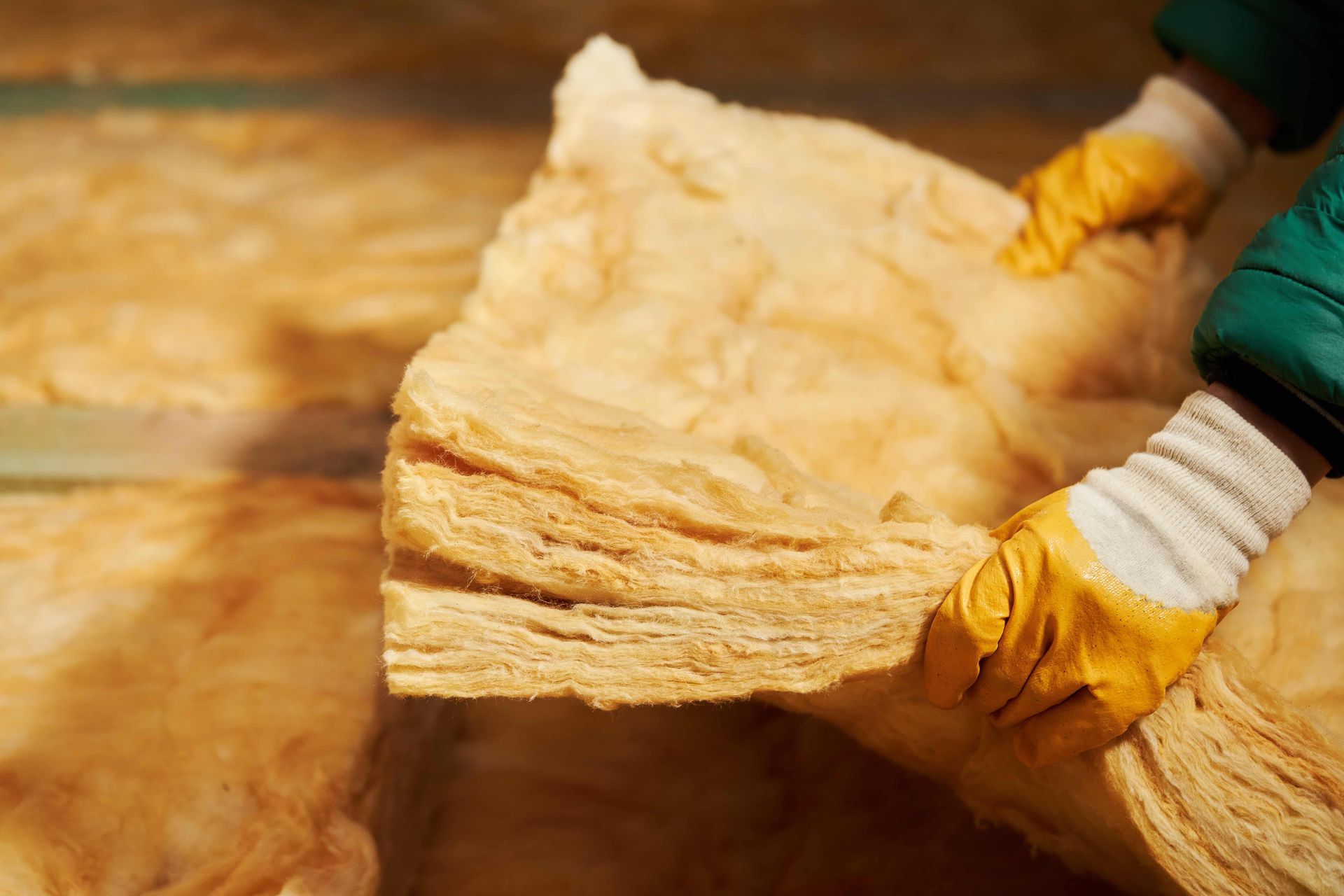
Why Adding More on Top Doesn't Work
Laying fresh fiberglass over a damaged layer is tempting because it skips a step. The trouble is that whatever was wrong with the old material stays in the attic. Damp insulation keeps holding moisture against the ceiling drywall. Contaminated insulation keeps its odor and bacteria. Compressed batts stay compressed under the new layer and do little to help.
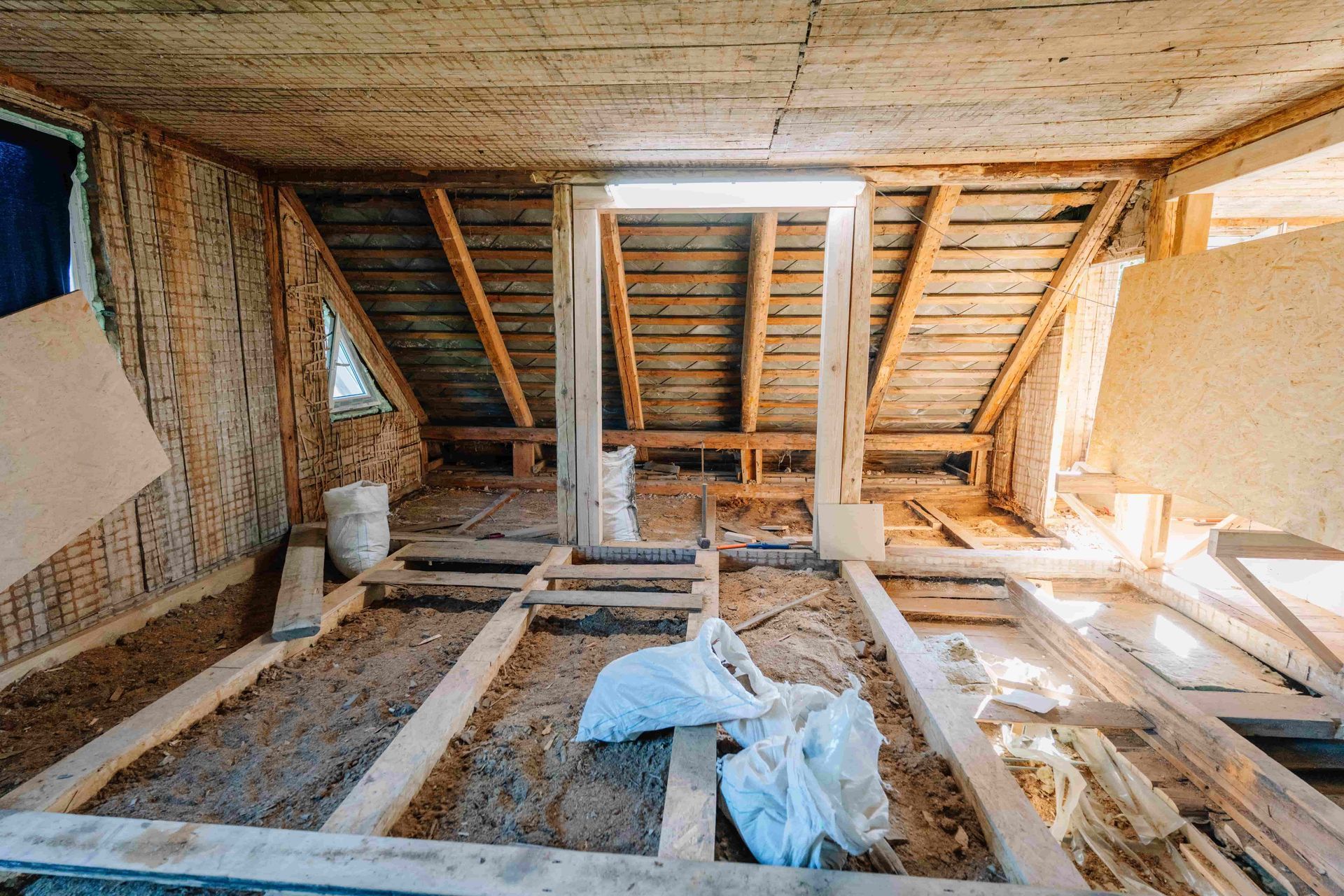
Removal also exposes the attic floor. With the old material gone, it becomes possible to see where air is leaking around light fixtures, wiring holes, and top plates, and to check the framing and drywall for water damage that was hidden underneath.
How the Removal Process Goes
The work starts with protecting the living space. The path from the attic access to the exit is covered so fibers and debris are not tracked through the house. Workers wear protective gear, since fiberglass irritates skin, eyes, and lungs, and contaminated material calls for extra care.
Batts and rolls are pulled and bagged. Loose material is gathered and bagged rather than swept, which keeps dust and droppings from spreading. Once the old insulation is out, the attic floor is cleaned so the next layer starts on a clear surface.
What goes back in depends on the house. Many homes are refitted with new
fiberglass insulation in Brewton once the space is clean. Others take the chance to switch to
spray foam insulation, especially when air leaks were part of the original problem.
Removal Across the Brewton Area
Flores Foam Insulation
takes on removal jobs throughout Brewton, along with Atmore, Flomaton, and Riverview. Older homes across the area are the most common candidates, particularly those that have been through roof repairs or rodent problems over the years.
Insulation Removal Questions
How can I tell if rodents have been in the insulation?
Look for droppings on top of the material, tunnels or runways through loose fill, shredded facing on batts, and nesting material gathered in corners. A sharp ammonia smell from urine is another strong sign, especially in warm weather.
Is it safe to remove old insulation myself?
Fiberglass fibers irritate the skin, eyes, and airways, so protective clothing and a properly fitted respirator are the minimum. Rodent-contaminated material adds a disease risk from droppings. If the attic holds a gray-brown, pebbly loose fill called vermiculite, have it tested before disturbing it, because some vermiculite contains asbestos.
Does fiberglass seal air leaks?
Should the rodent problem be fixed before new insulation goes in?
Yes. If the entry points are still open, animals will move into the new material just as they did the old. Having a pest control company find and seal those openings before reinsulating protects the new investment.
What gets checked once the old insulation is out?
With the attic floor bare, the drywall and framing can be inspected for water stains and soft spots, and gaps around fixtures, wiring, and top plates become visible. That is the best moment to seal those air leaks, since they will be covered again once new insulation goes in.