
Spray Foam Insulation in Brewton, AL
A house can have insulation in every wall and still feel stuffy upstairs and drafty near the outlets. The culprit is usually moving air. Small gaps around top plates, pipe penetrations, and rim joists let cooled air escape and pull humid outside air in, and traditional batts do little to stop it. Spray foam is built for exactly that problem. Flores Foam Insulation applies it in Brewton homes, attics, and outbuildings where sealing the space matters as much as insulating it.
How Spray Foam Works
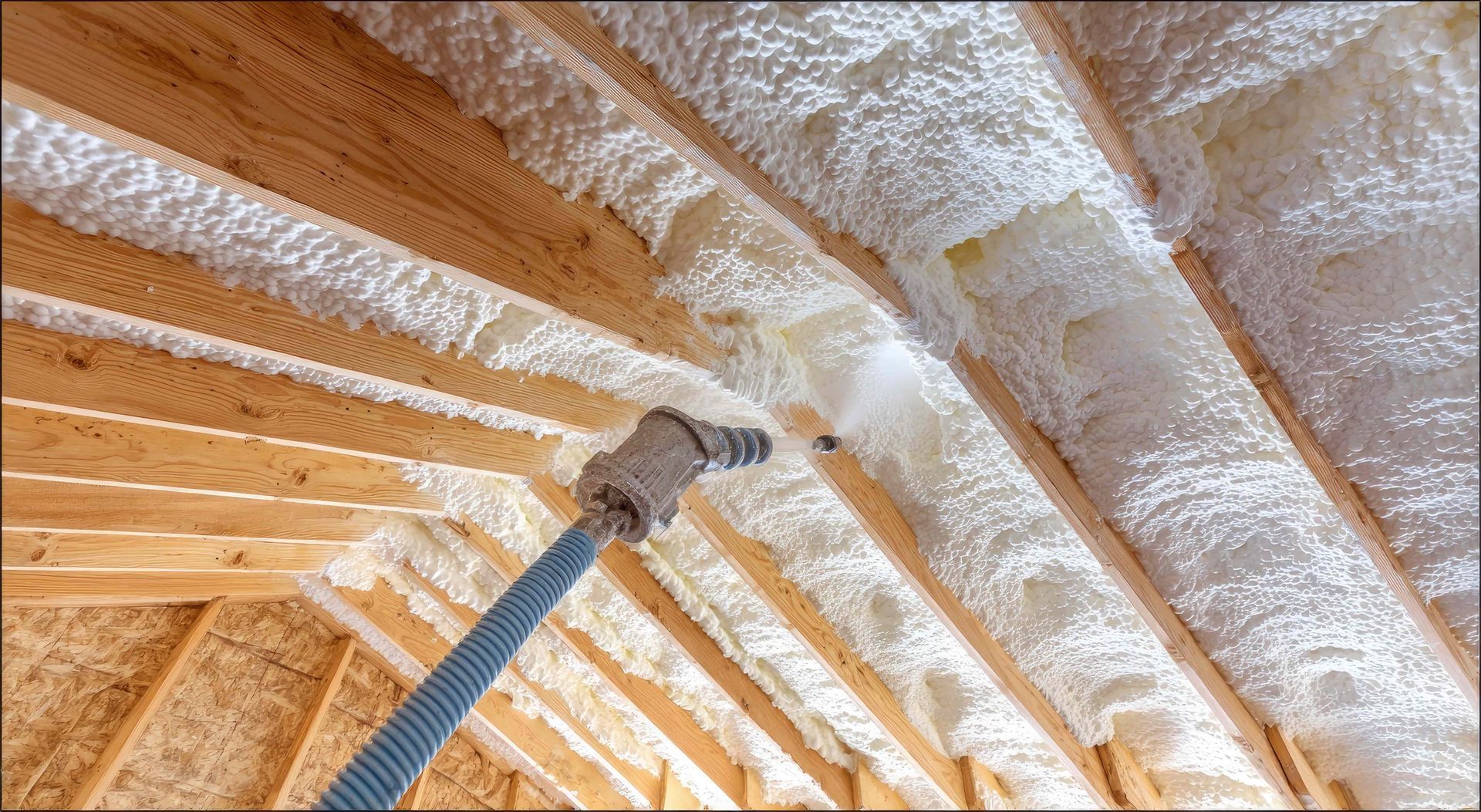
Spray foam starts as two separate liquid components that are mixed at the tip of the spray gun. The moment they combine, a chemical reaction begins. The mixture expands many times beyond its original volume and cures into a solid foam that grips wood, metal, and concrete.
That bond to the surface is what sets it apart. Batts and rolls are separate pieces laid side by side, and air finds the seams between them. Foam has no seams. It pushes into cracks, wraps around wiring and pipes, and fills odd-shaped cavities that a pre-cut batt would leave half empty.
Open-Cell and Closed-Cell Foam
Spray foam comes in two main types. Open-cell foam is lighter and softer, expands more, and dampens sound well. Its cells are not fully closed, so it allows some moisture to pass through.
Closed-cell foam is dense and rigid. It insulates more per inch of thickness, adds stiffness to the surface it is applied to, and resists moisture. That makes it a common choice against metal and in spaces where condensation is a concern.
Which type fits depends on the building, the location in the structure, and the goal of the project. A roofline over living space, a metal shop wall, and an interior sound barrier can each call for a different answer.
Where Spray Foam Earns Its Keep
The roof deck is one of the most common places for it. Applying foam to the underside of the roof keeps the hottest air in the house from building up overhead, and it brings ductwork running through that space inside the sealed envelope. For homes weighing that approach against other options, the attic insulation in Brewton page covers the choices in more detail.
Metal structures are another strong fit. Steel panels swing hard between hot and cold, and humid air that touches a cool panel turns to water. Foam bonded directly to the metal keeps that air off the surface. Shops, barns, and garages are covered on the metal building insulation page.
Walls in additions and new construction, bonus rooms above garages, and rim joists along the foundation also benefit, since each is a place where air leaks tend to concentrate.
Getting the Space Ready
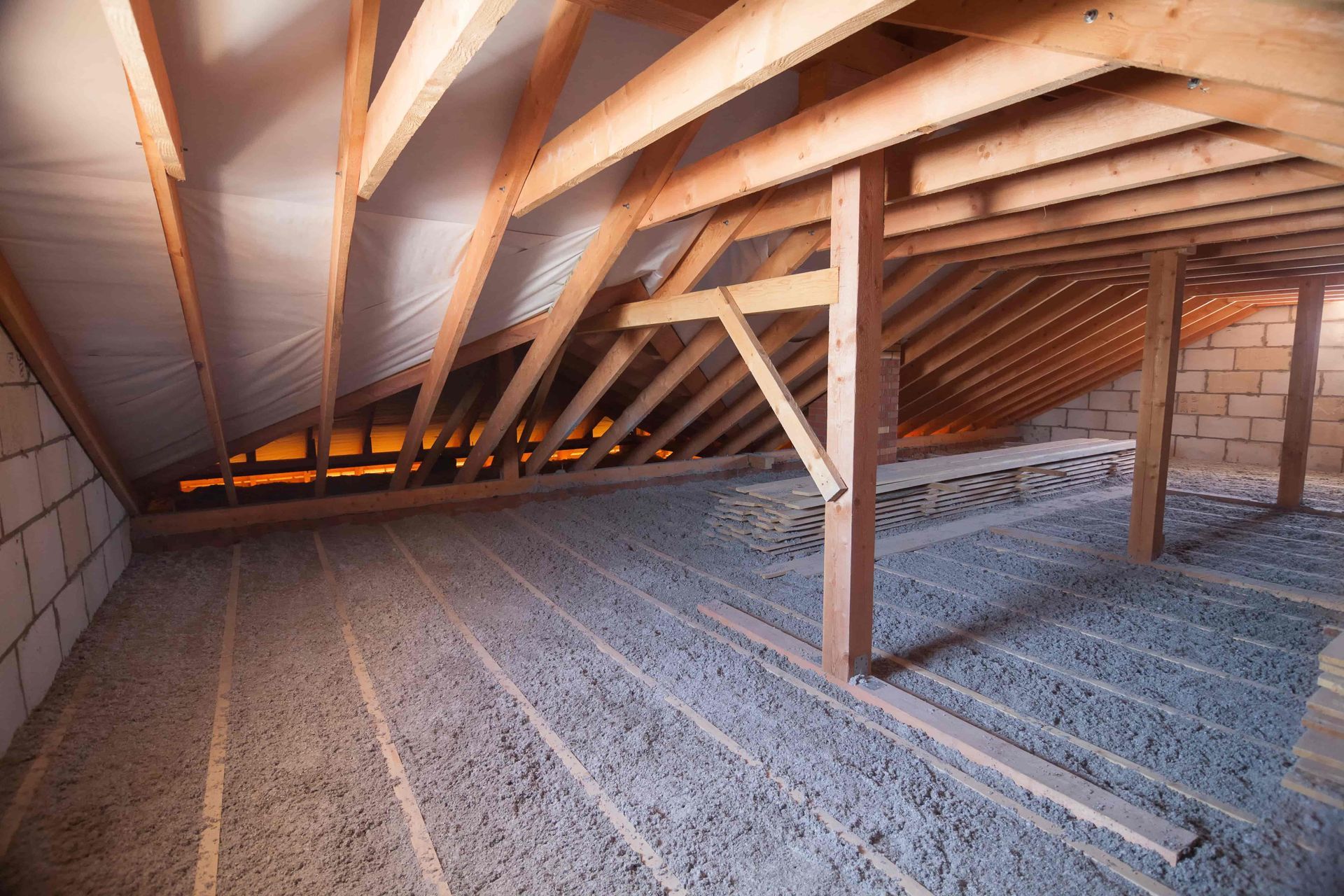
Before any foam goes on, the area needs to be accessible and clear. Stored items in an attic or along a wall get moved out of the way. Any old insulation sitting where the foam will be applied usually comes out first, because foam has to bond to a clean surface to seal properly.
People and pets stay out of the work area while spraying is underway and until the product's re-entry period has passed. Ventilating the space during and after application is part of a standard install.
Serving the Brewton Area
Along with Brewton itself, Flores Foam Insulation
takes on spray foam work in Riverview, Castleberry, and Century, FL. Homes, shops, and farm buildings across the area all face the same long, humid summers, and foam is one of the most direct ways to keep that air where it belongs.
Spray Foam Questions
How quickly does spray foam expand?
The two components react within seconds of leaving the spray gun, and the foam rises and fills the cavity almost immediately. Full curing takes longer and varies by product, so the space stays unoccupied until the manufacturer's re-entry time has passed.
Does spray foam help with humidity?
Yes. By sealing the gaps where outside air enters, foam keeps humid air out of wall cavities and attic spaces where it could condense. Closed-cell foam also acts as a vapor retarder once it reaches roughly 1.5 to 2 inches thick.
Can spray foam go over existing insulation?
Generally no. Foam needs to bond directly to the framing, sheathing, or metal panel to seal. Old batts or loose fill in the way are removed first so the foam contacts a clean surface.
Is spray foam the same as foam board?
No. Foam board is a rigid panel cut to size and fastened in place, and its edges still need sealing. Spray foam is applied wet and conforms to the shape of the cavity, sealing as it cures.
Does spray foam stick to metal?
It does. Spray foam adheres to clean steel panels without fasteners, which is why it is widely used in metal buildings to stop condensation from forming on the inside of the walls and roof.