
Metal Building Insulation in Brewton, AL
Walk into an uninsulated steel shop on a June afternoon and the heat hits like an oven door. Come back early the next morning and the roof may be dripping onto the workbench. Both problems start with the same thing: thin metal panels with nothing between them and the weather. Flores Foam Insulation provides metal building insulation in Brewton for workshops, barns, garages, and equipment buildings that need to be usable year round.
The Two Problems With Bare Steel
Heat
Steel conducts heat readily. A metal roof in direct sun passes that heat straight through to the interior, and with no mass in the walls to slow it, the inside temperature climbs right along with the outside. Running fans or a portable cooling unit in an uninsulated building mostly moves hot air around.
Condensation
The bigger long-term issue is water. Air holds moisture, and Brewton air holds a lot of it. When that air touches a steel surface colder than its dew point, the moisture comes out as droplets. In a metal building this happens on the underside of the roof and the inside of the walls, often overnight as the panels cool faster than the air inside.
The result gets called sweating or raining. Water drips onto tools, vehicles, stored feed, and concrete floors. Over time it rusts fasteners, purlins, and the panels themselves, and it can soak anything stored along the walls.
How Insulation Solves Both
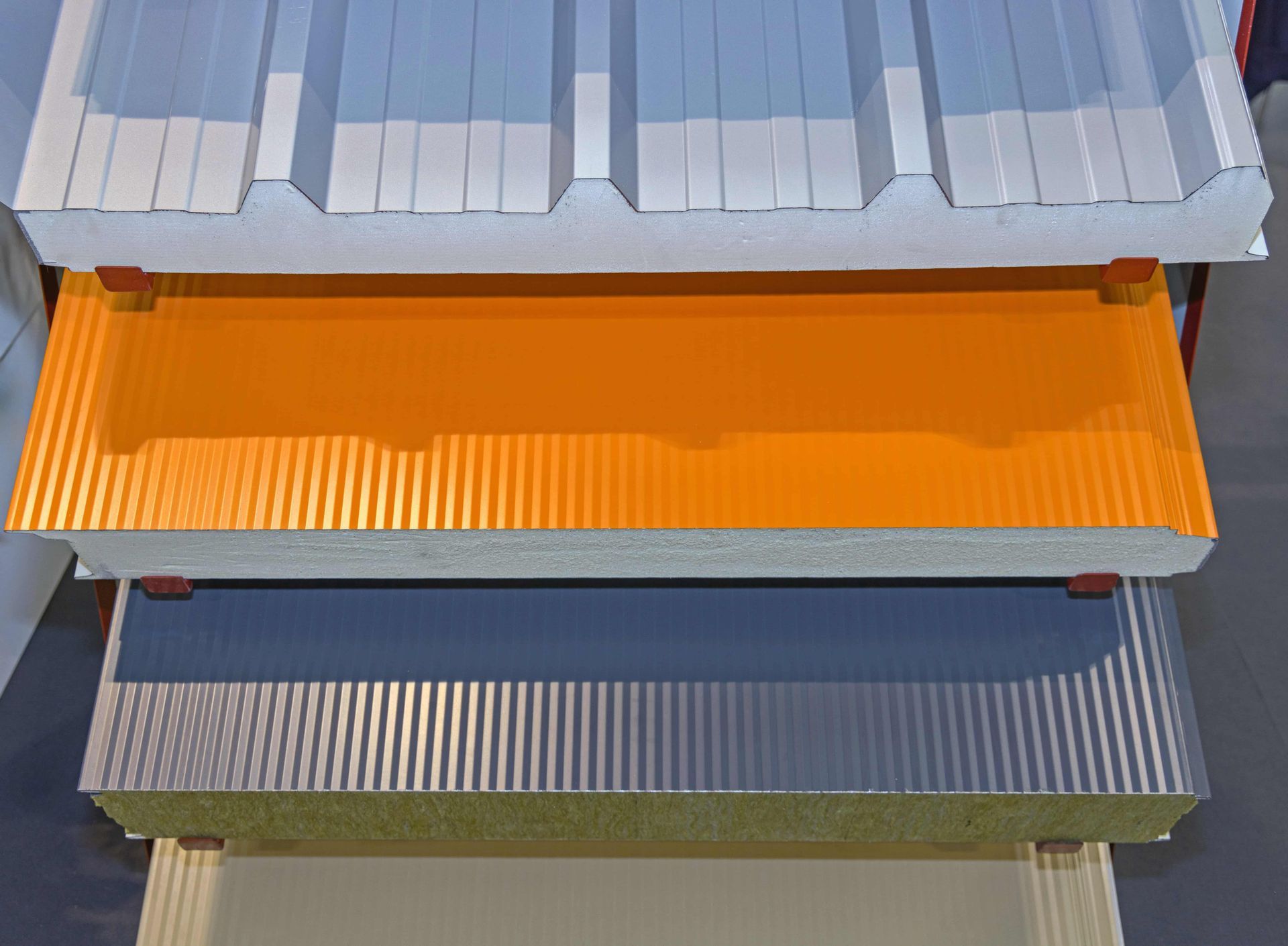
Insulation does two jobs in a steel structure. It slows heat moving through the panels, which keeps the interior closer to a workable temperature. More importantly, it keeps humid interior air from reaching the cold metal surface, which is what stops condensation at the source.
For buildings already standing,
spray foam for metal structures is the most common retrofit. It is applied to the interior face of the panels and framing, conforms around purlins, girts, and fastener tips, and seals as it goes. There is no seam where moist air can reach the steel.
During construction, faced fiberglass rolls are often laid over the purlins and between the framing before the panels go on. The facing acts as the moisture barrier. That approach depends on the facing staying intact, and
fiberglass insulation work covers the material in more detail.
Buildings That Benefit
Workshops and garages where people spend hours at a time gain the most in comfort. Equipment barns and storage buildings gain the most in protection, since condensation is what rusts machinery and ruins stored goods. Buildings that are being converted into living or office space need insulation before anything else can be finished inside.
Any steel structure that is going to be heated or cooled should be insulated first. Conditioning a bare metal building costs far more and works far less well.
Steel Buildings Across the Area
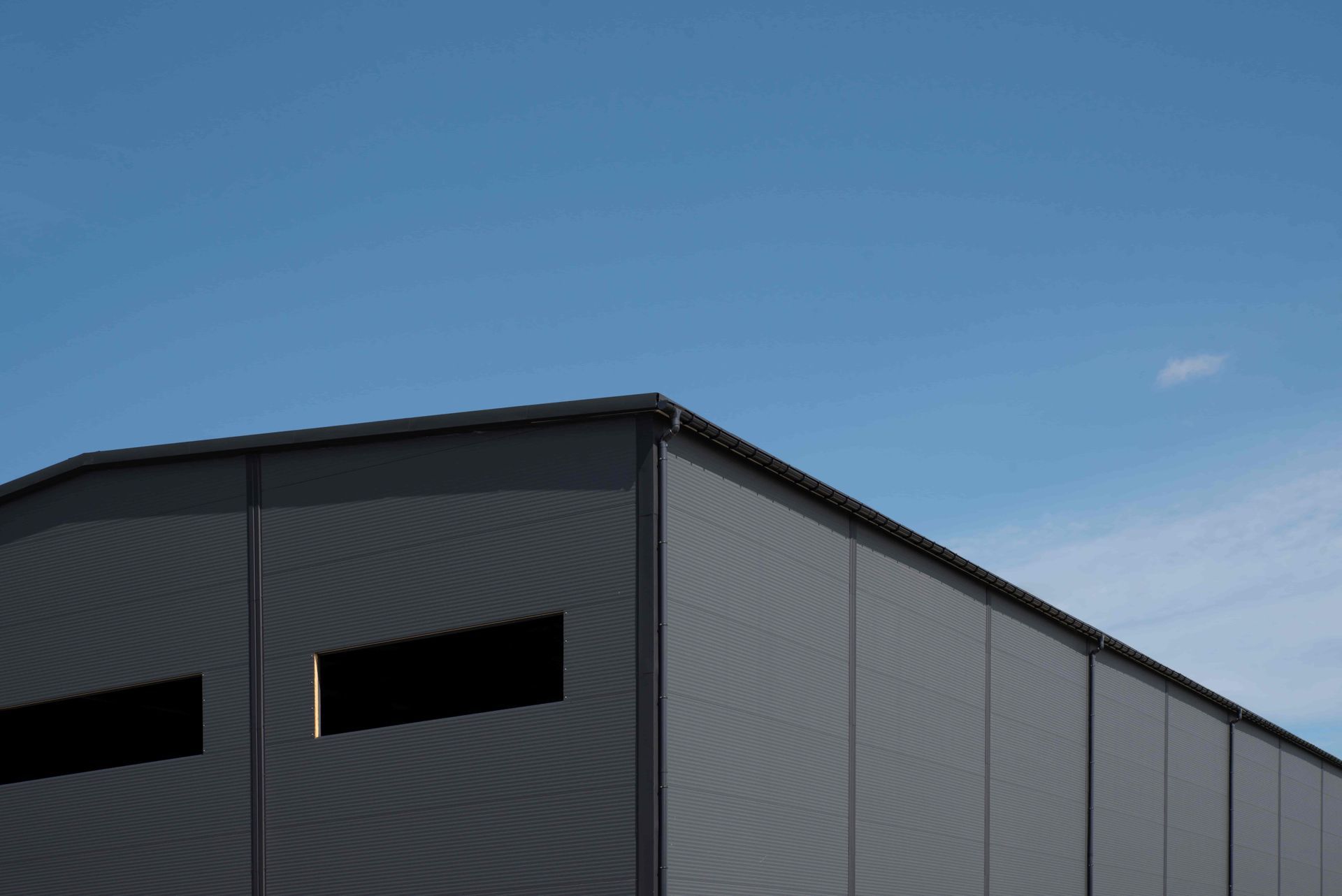
Metal buildings are common throughout Escambia County, from shops behind homes in town to farm structures out in the county. Flores Foam Insulation
works on them in Brewton as well as East Brewton, Repton, and Atmore.
Metal Building Insulation Questions
Why does the inside of my metal roof drip?
The roof panels cool below the dew point of the air inside the building, usually overnight or on a cool morning after a humid day. Moisture in that air condenses on the underside of the steel and falls as droplets. Insulation that keeps the air off the panel stops it.
Can a metal building be insulated after it is built?
Yes. Spray foam is applied from the inside to the existing panels and framing, so nothing needs to come apart. The steel should be clean and dry first, since oil, dust, or loose rust keeps the foam from bonding properly.
What goes wrong with fiberglass in metal buildings?
Faced fiberglass relies on its facing to keep moist air away from the cold steel. Once the facing is torn by equipment, birds, or rodents, humid air reaches the panel and condensation forms behind the insulation, where it soaks the fiberglass and goes unnoticed.
Will insulation stop existing rust?
No. Insulation prevents the condensation that causes new corrosion, but rust already on the panels or framing should be addressed first. Loose rust scale is removed before foam goes on so the foam bonds to sound metal.